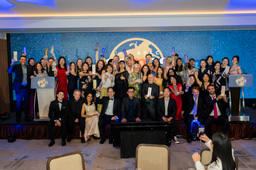
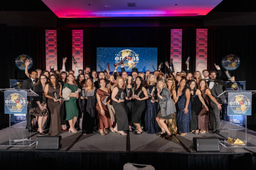
The Global Mobility Game in Iberia: Benchmarking, Compliance and RFP Best Practices

The FEM Iberia Chapter meeting brought together more than 50 Global Mobility professionals in Madrid last Spring to examine how compensation research, benchmarking, compliance, procurement and technology are influencing the management of internationally mobile talent across Spain and Portugal.
The programme opened with a keynote discussing scientific evidence on the relationship between international experience and long-term compensation. An analysis of employees with repeated international exposure — sometimes described as “superglobals” — invited participants to consider how global experience is valued, rewarded and integrated into broader talent strategies. For employers, the discussion raised an important question: whether international assignments are designed as isolated mobility events or as part of a coherent approach to leadership development, retention and workforce planning.
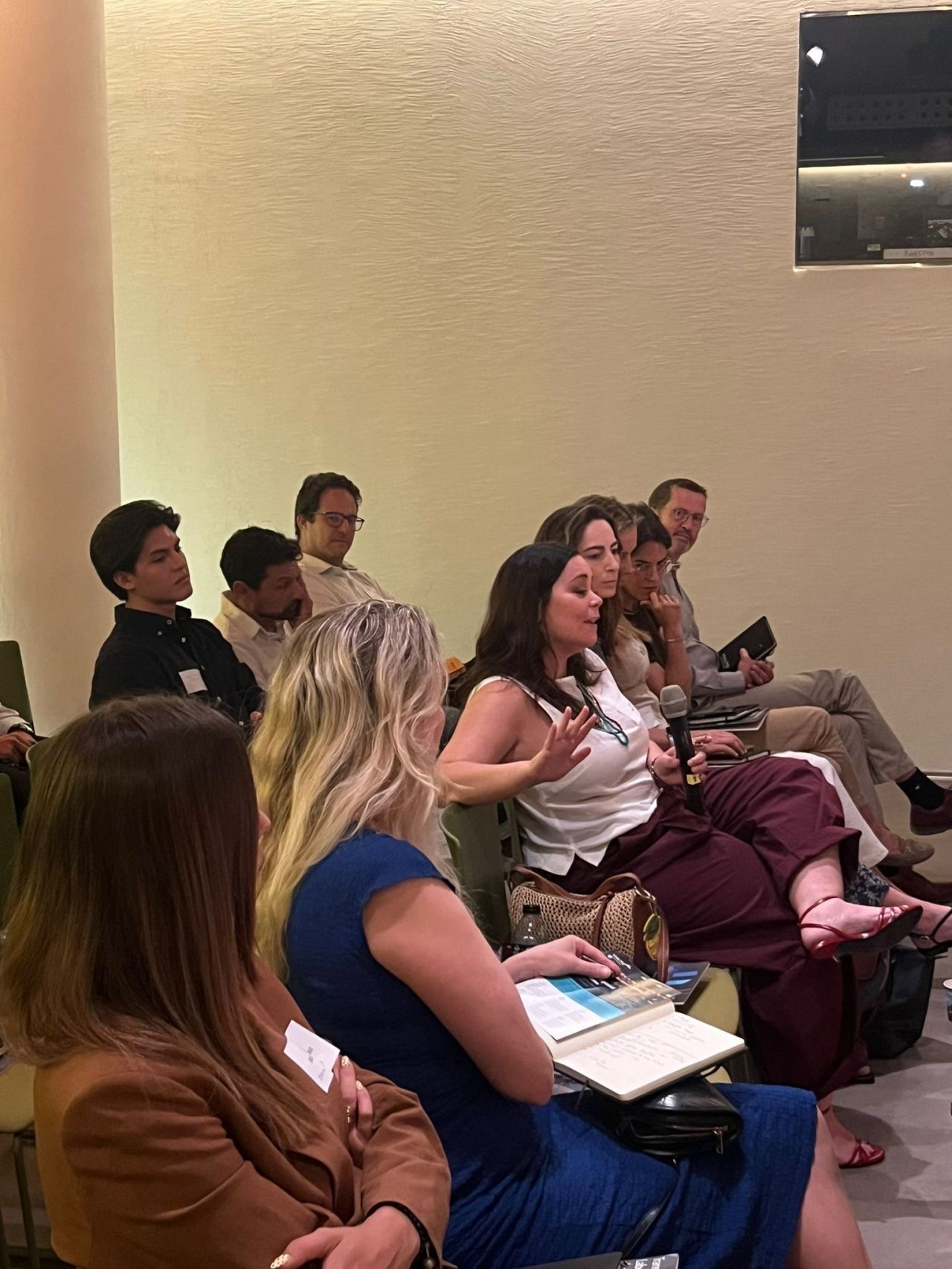
A panel of corporate Global Mobility leaders and service providers then explored what organisations are looking for when selecting mobility partners, how benchmarking practices are evolving and which challenges are particularly relevant in the Iberian market. The discussion reinforced that an effective request for proposal should assess more than price and geographic coverage. Governance, service consistency, data quality, escalation procedures, local expertise and the ability to coordinate across disciplines are equally important when building a resilient mobility programme.
This is extremely relevant when relocating employees to Spain and Portugal. Immigration requirements cannot be considered separately from recruitment timelines, employment conditions, payroll, social security, tax residence, family needs and practical onboarding. A delay or mismatch in one area can affect the entire relocation. Early coordination between Global Mobility, HR, Reward, Tax, Employment, Immigration and external providers therefore helps organisations identify risks, set realistic start dates and create a clearer employee experience.
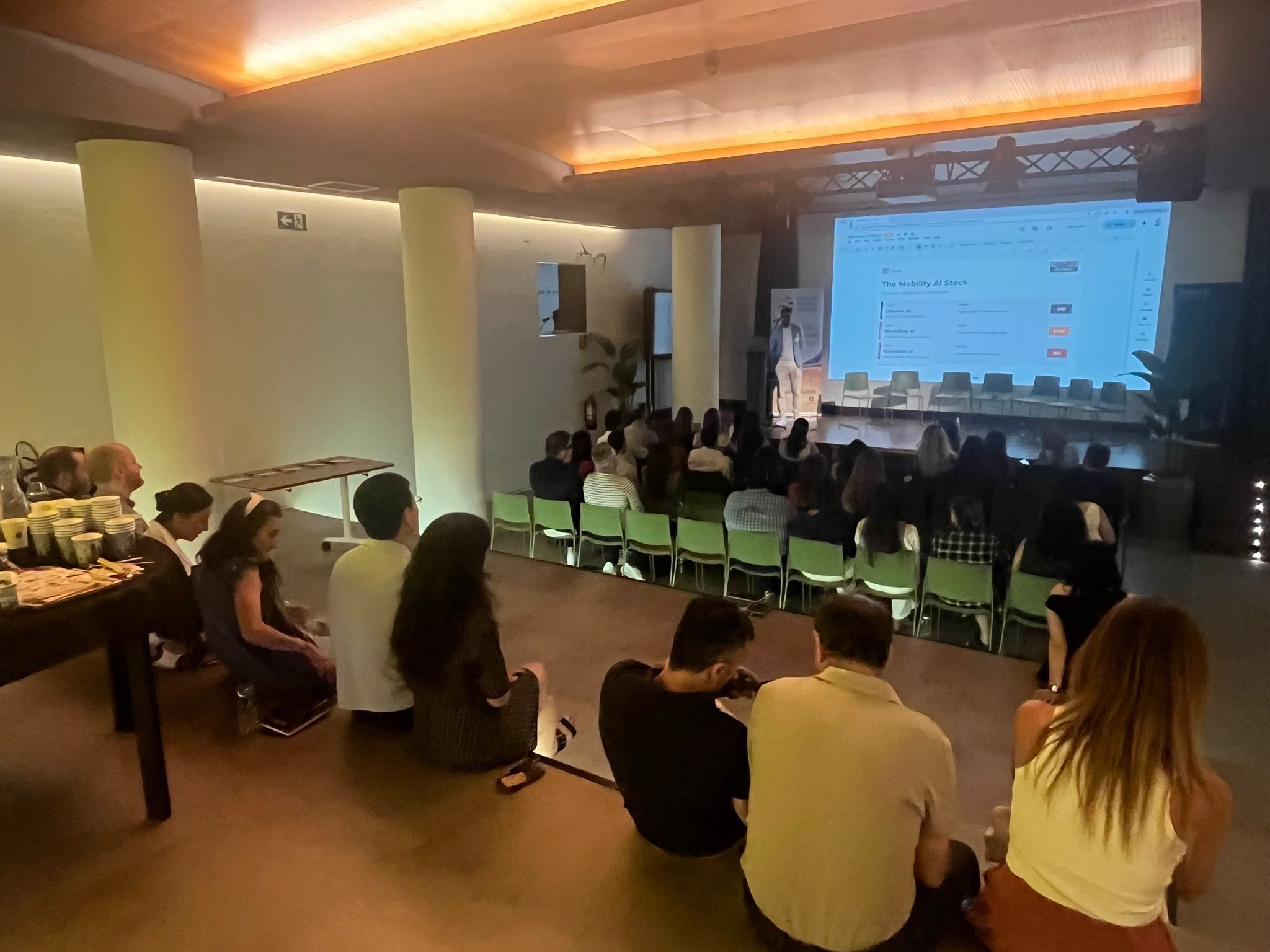
The final session demonstrated a live AI-supported Global Mobility chatbot being collectively created. The exercise showed the increasing accessibility of tools that can assist with information management and routine queries. It also underlined the importance of governance: AI outputs must be based on reliable sources, reviewed appropriately and used without weakening accountability or data protection.
Across the sessions, one message stood out. Strong Global Mobility programmes combine technology and data with informed human judgement, local knowledge and cross-functional collaboration. As international workforce models continue to evolve, organisations that involve Mobility and Immigration teams earlier in business planning will be better placed to manage compliance while supporting talent and operational objectives.

Global Mobility is both a strategic business function and a deeply human experience. Supporting international growth and knowledge sharing, while enabling positive mobility experiences, is what drives my work.
I currently serve as Head of Expansion at Sterna Abogados, a boutique Spanish immigration law firm, contributing to the firm’s national and international growth within the Global Mobility sector.
Having lived and worked across multiple countries in Europe, North America, and South America, I bring an international, cross-cultural, and empathetic perspective to my work, shaped by both personal experience and professional practice.
If you resonate with anything from the above, I would love to connect!