
Global Mobility in Transition: FEM Chapter Meeting at EY in Cologne Looks Ahead to the Future of the Function
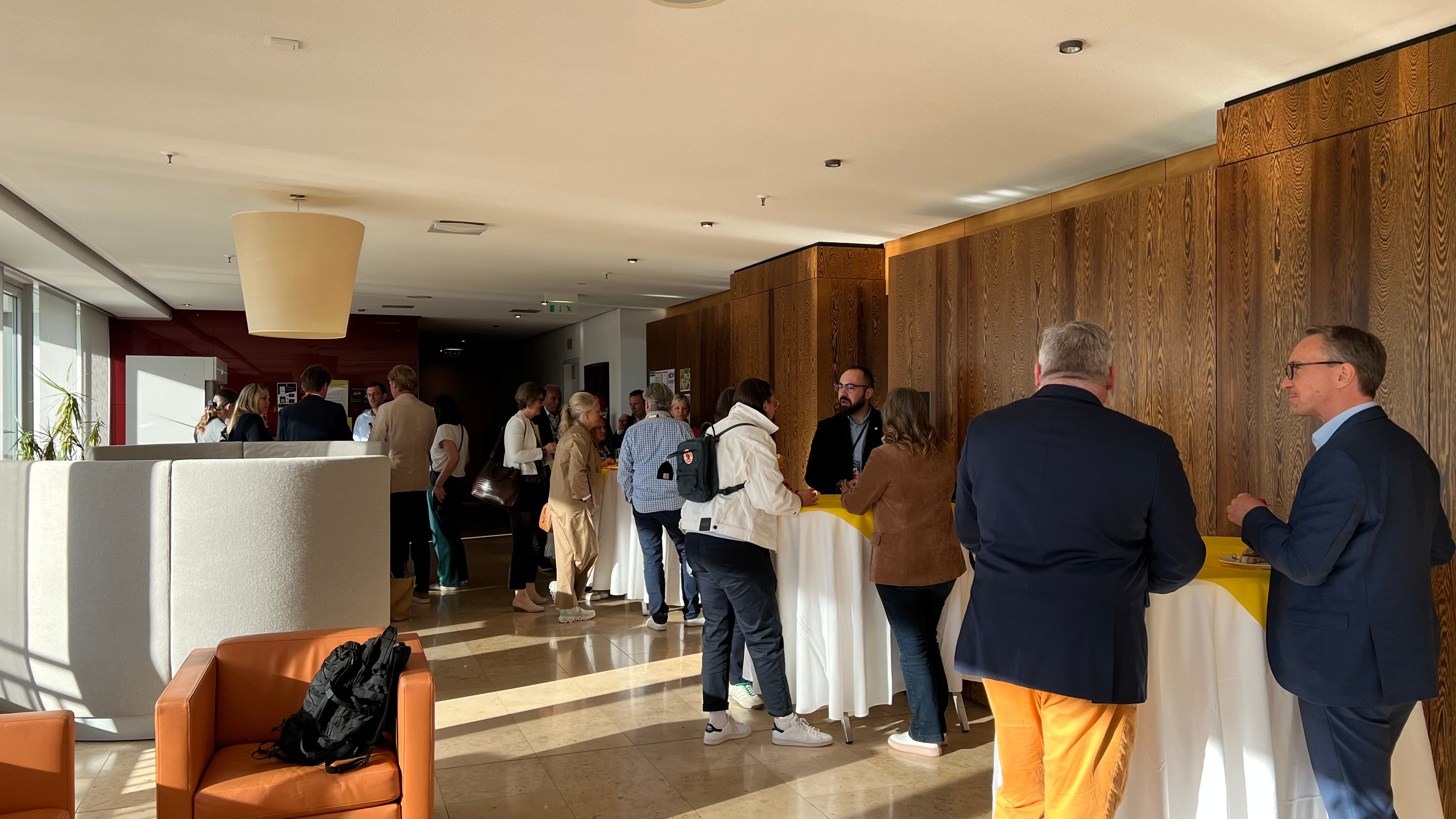
Under the title “Global Mobility in Transition – Looking Ahead to the Coming Years”, the discussion focused on how the role of Global Mobility needs to evolve in an environment shaped by increasing geopolitical uncertainty, new working models, rising cost pressures and technological disruption.
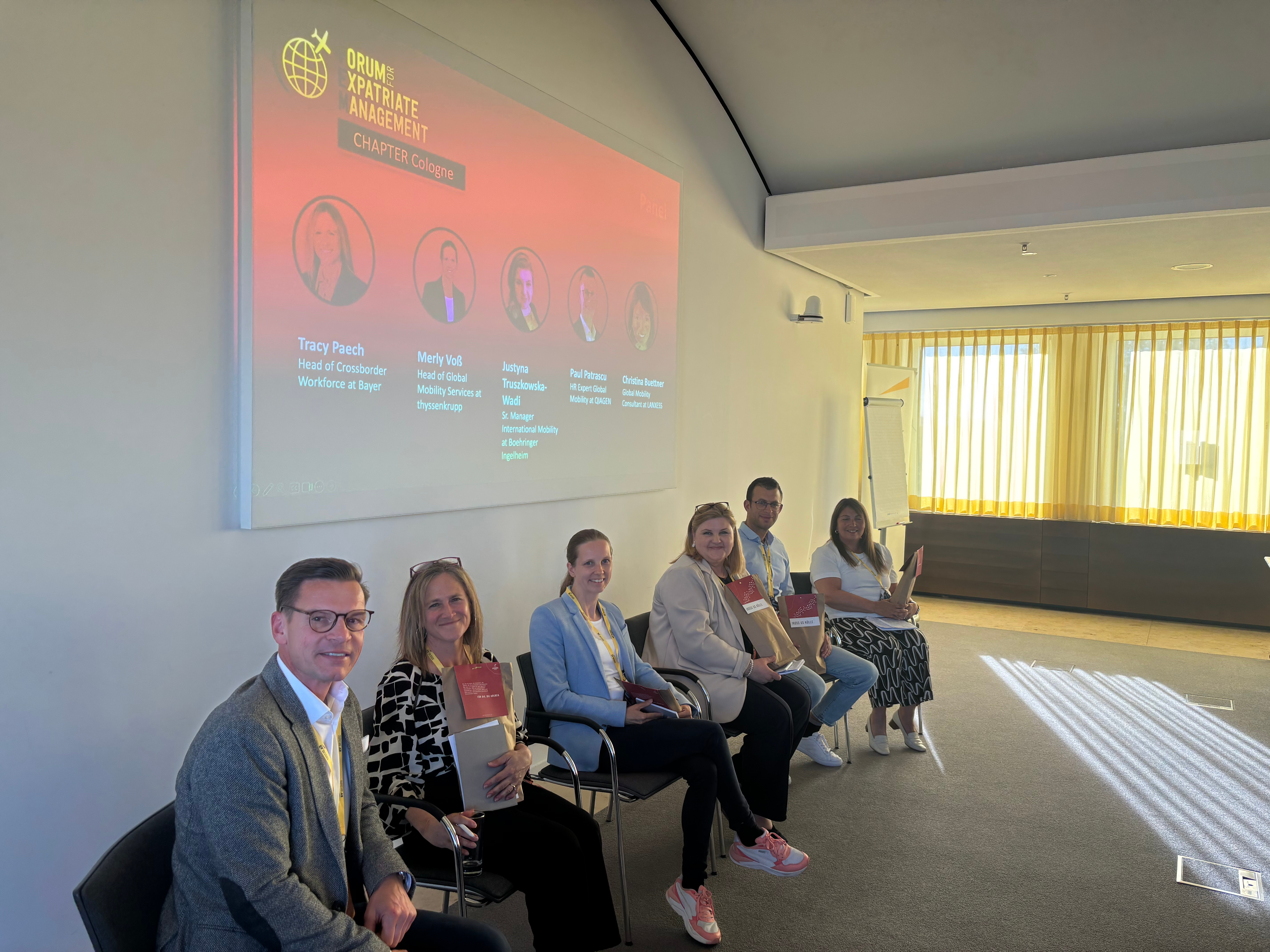
The discussion was open, practical and, at times, deliberately challenging. It quickly became clear that Global Mobility is not merely undergoing an operational adjustment, but a more fundamental transformation. The key question is no longer whether the function will change, but how actively it will shape that change itself.
A recurring theme was the need to align Global Mobility more closely with the business. Business listening was highlighted as a critical success factor: Global Mobility needs to better understand what business units, leaders and international projects truly require. This also creates the need for more flexible programmes, more differentiated solutions and a stronger ability to adapt to different business needs.
At the same time, participants emphasised that Global Mobility must increasingly position itself as an internal advisory function. This means moving away from the purely operational handling of individual cases and towards a role that provides early guidance, assesses risks, presents options and actively supports international talent and business decisions.
Another key focus was the importance of internal and external collaboration. Participants discussed the need to purposefully expand the internal HR network and connect Global Mobility more effectively with Talent Management, Reward, Tax, Legal, Immigration, Business Travel and Workforce Planning. In addition, exchange with other Global Mobility functions and external partners was seen as an important lever for learning from one another and developing new solutions more quickly.
A particularly practical conclusion was that transformation does not succeed through big concepts alone. What matters is taking the next small step immediately — even if the journey towards a more advanced Global Mobility function remains a long one. Whether through stronger involvement in business planning, more targeted advice to business units, an initial process review or closer collaboration with other HR functions, change begins with concrete action.
Sincere thanks go to EY for their hospitality, as well as to the speakers and discussion contributors:
Tracy Paech, Head of Crossborder Workforce, Bayer AG
Merly Voß, Head of Global Mobility Services, thyssenkrupp Services GmbH
Justyna Truszkowska-Wadi, Senior Manager International Mobility, Boehringer Ingelheim
Paul Patrascu, HR Expert Global Mobility, QIAGEN GmbH
Christina Buettner, Global Mobility Consultant, LANXESS Deutschland GmbH
The FEM Chapter Meeting in Cologne showed that the future of Global Mobility will not be determined by technology, new operating models or external market developments alone. It will primarily be shaped by how courageously and consistently Global Mobility teams redefine their role — closer to the business, better connected, more flexible in programme design and clearer in their advisory responsibility.
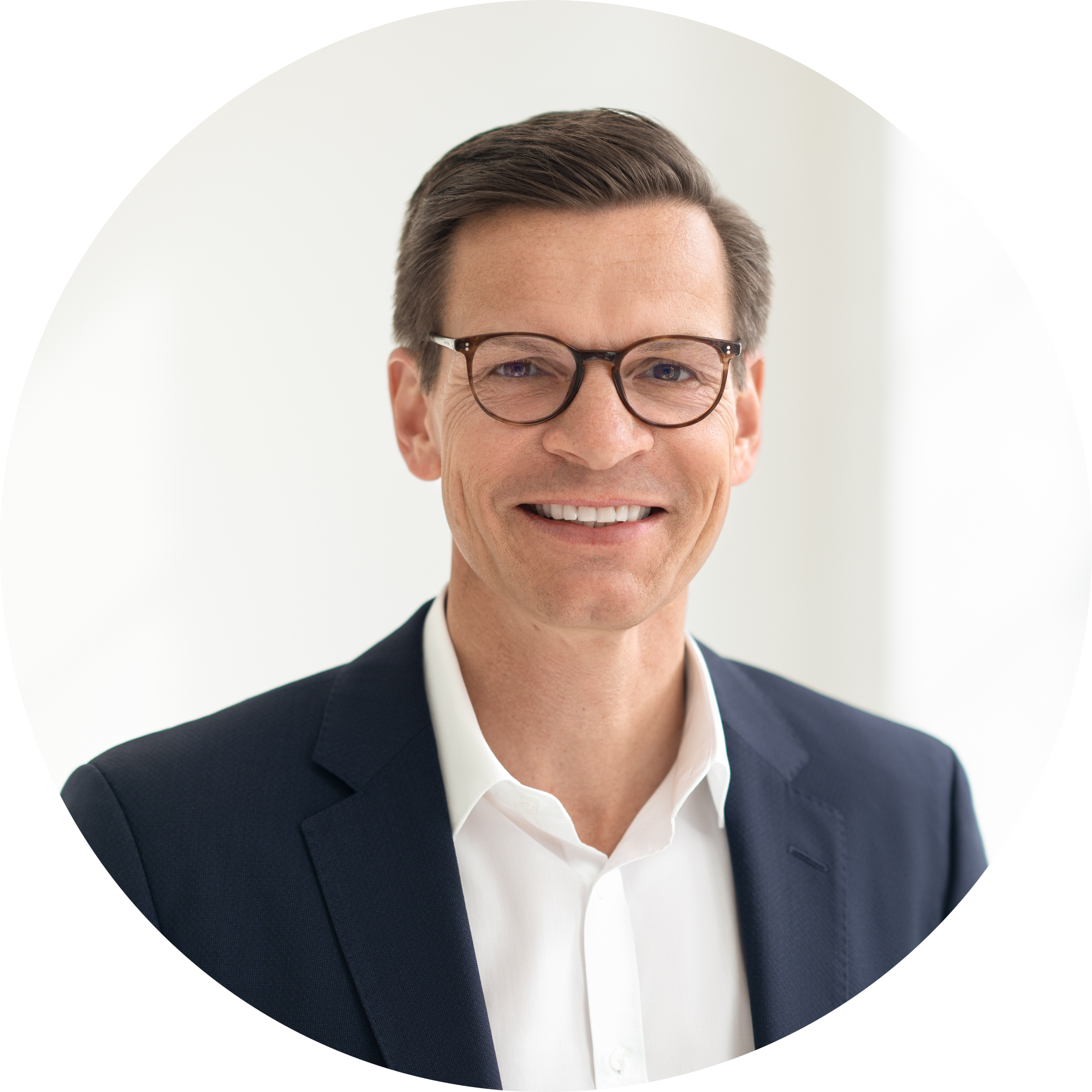
With over 20 years of experience in Global Mobility and International Immigration, I help businesses develop future-proof, compliant, and efficient HR strategies. As an executive and consultant with a proven track record in strategy development, business transformation, and international leadership, I bring a unique blend of commercial and legal expertise.
In senior roles at leading global organisations, I have restructured business units, built high-performing international teams, and supported client organisations in optimising their mobility programmes. As the Founder and Managing Director of BLUE HILLS Consulting, I provide strategic advisory to help organisations navigate global mobility challenges—driving efficiency, compliance, and sustainable growth.
I also organise thought leadership and client events across the DACH region, fostering innovation and collaboration.
My focus: Strategic advisory, compliance assurance, and long-term optimisation of international mobility programmes.



Please sign in or register for FREE
Sign in OR sign up to become a registered The Forum for Expatriate Management website user
Subscribe here