Beyond Assignments: The Future Operating Model of Global Mobility
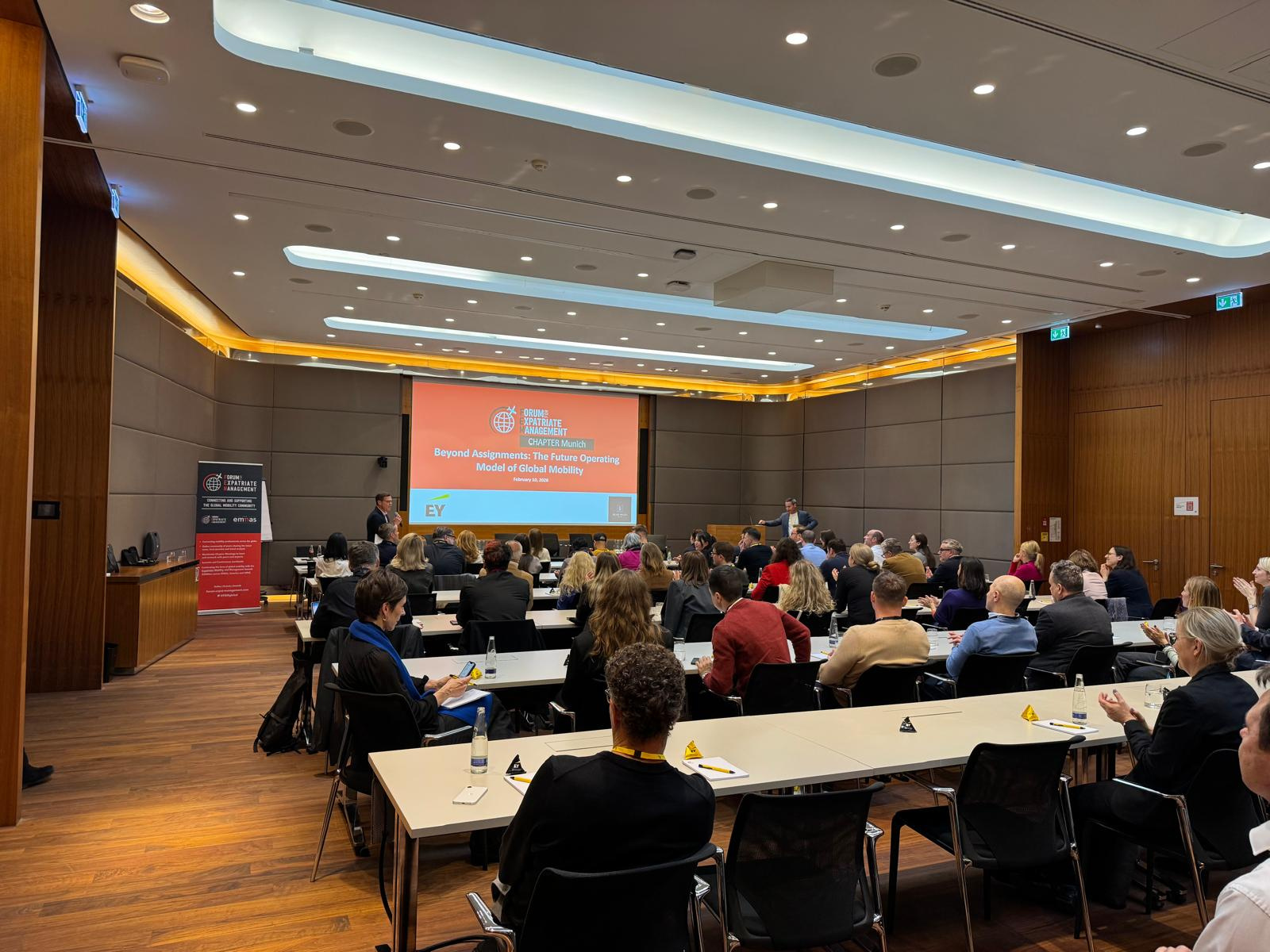
More than 60 Global Mobility professionals joined the FEM Chapter Meeting in Munich on 10 February 2026, generously hosted by EY, to discuss how Global Mobility operating models must evolve to meet today’s business, talent and compliance requirements.
The session started with a strong impulse talk by Michael Gschwandtner and David Rooney, setting the scene for a highly interactive afternoon. Participants then moved into group discussions, exploring what the “right” or future Global Mobility operating model could look like in different organisational contexts.
Key discussion themes included:
- Centralised Global Mobility models with a high degree of insourcing
- Shared Service Centre approaches and hybrid operating models
- Models with a higher outsourcing degree and specialised vendor ecosystems
- The role of change management and communication as critical success factors
A recurring insight across all groups was that there is no universal target operating model. Instead, each organisation defines its own priorities based on business needs, maturity, governance requirements and corporate culture. Alongside structural positioning, organisational culture and stakeholder alignment emerged as decisive factors for successfully implementing new Global Mobility operating models.
The key insights from the group work were further deepened during a panel discussion with:
- Erika D’Attis-Kober, Head of P&O Operations Europe & APeC, KUKA SE & Co. KGaA
- Daniela Krippner, Head of Global Mobility Consulting, Siemens Energy
- Guy Perraudeau, Head of Global Mobility, Schwarz Gruppe
The panel was moderated by Melanie Rottgardt and Frank Jura, who guided the discussion around strategic design choices, implementation challenges and future priorities for Global Mobility functions.
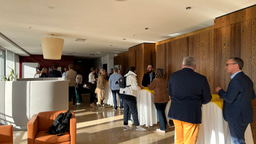
The official programme concluded with networking over drinks and a buffet, where discussions continued and both existing and new connections were strengthened.
FEM would like to thank all speakers, panelists, participants and EY as host — especially the team around Michael, Melanie, Cornelia, Ivona and Christine — for their great hospitality and active contribution.
The conversation will continue at the FEM European Conference on 13 March 2026, the Zurich Chapter Meeting on 17 March 2026, and the Hamburg Chapter Meeting on 14 April 2026.
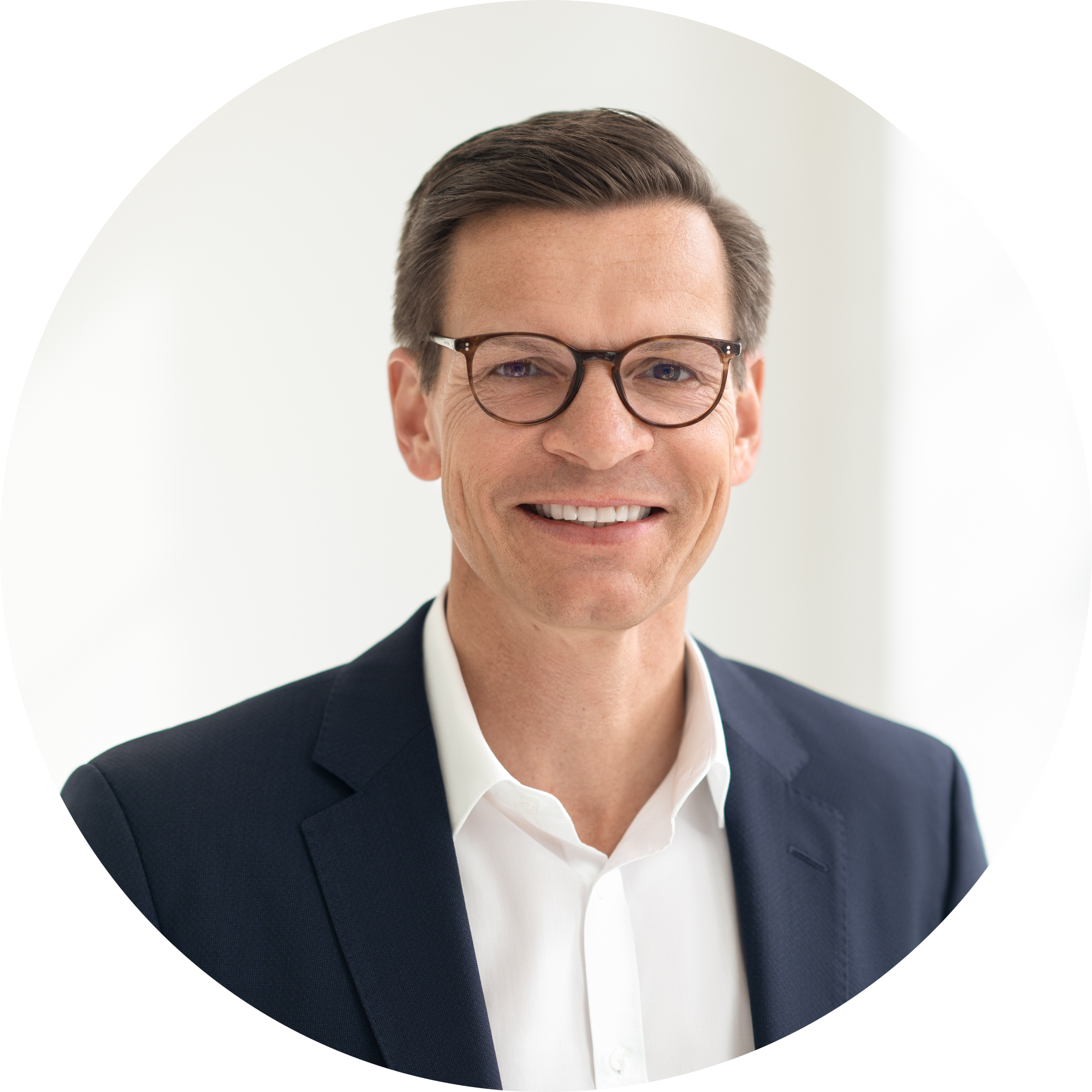
With over 20 years of experience in Global Mobility and International Immigration, I help businesses develop future-proof, compliant, and efficient HR strategies. As an executive and consultant with a proven track record in strategy development, business transformation, and international leadership, I bring a unique blend of commercial and legal expertise.
In senior roles at leading global organisations, I have restructured business units, built high-performing international teams, and supported client organisations in optimising their mobility programmes. As the Founder and Managing Director of BLUE HILLS Consulting, I provide strategic advisory to help organisations navigate global mobility challenges—driving efficiency, compliance, and sustainable growth.
I also organise thought leadership and client events across the DACH region, fostering innovation and collaboration.
My focus: Strategic advisory, compliance assurance, and long-term optimisation of international mobility programmes.